How Access Control Integration Improves Your Building Security & Performance

By connecting your access control solution to other building management systems—like HVAC, lighting, and surveillance systems—you can create a unified, efficient environment that adapts to your needs while reducing costs. In this post, we’ll explore the benefits of access control integrations in more detail and teach you how this strategy can transform the way you manage and secure your building.

What Is Building Management System (BMS) Integration?

Building management system (BMS) refers to the collection of automated systems used to monitor and control your building’s essential functions—such as heating, ventilation, air conditioning (HVAC), lighting, security, and energy use. These systems are designed to ensure that your building operates efficiently, securely, and comfortably by regulating various components in real-time.

In many buildings, these systems work independently of each other. For example, the HVAC system might be controlled by one platform, while access control and security systems operate through another.

By integrating access control systems with other building systems like HVAC, lighting, and surveillance, however, you gain a holistic view of their building’s operations, enabling you to make more informed decisions, automate responses, and optimize performance.

Here’s a breakdown of key systems that can be integrated:

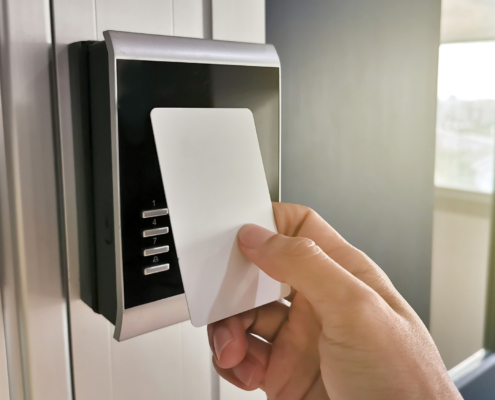
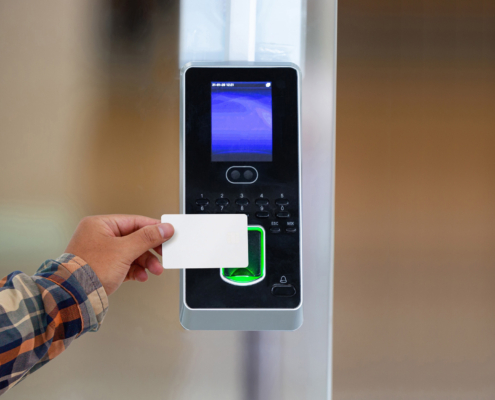
  • Access Control: Manages who can enter or exit the building or specific areas, tracking occupancy and providing security.
  • HVAC Systems: Controls temperature, ventilation, and air quality throughout the building.
  • Lighting Systems: Manages energy-efficient lighting, which can be automatically adjusted based on occupancy.
  • Security Systems: Includes surveillance cameras, alarms, and sensors to ensure safety and security.

Integration creates a smarter building, where your systems work in concert rather than in isolation. Let’s explore the specific benefits of access control integration with other systems and discuss how it can help you improve building management.

The Benefits of Access Control Integration

Access control integration with other building management systems (BMS) offers several advantages that can enhance the overall functionality of your building. Let’s take a closer look at the key reasons why integration is so beneficial.

Improved Efficiency

Integrated access devices can communicate with one another and trigger actions automatically. For example, when an access control system registers an individual entering a room, it can signal the HVAC system to adjust the temperature or the lighting system to turn on. This kind of efficiency leads to:

  • Energy Conservation: Integrated access systems can reduce energy usage by ensuring that heating, cooling, and lighting only operate when necessary. For instance, access control data showing that a room is empty can automatically adjust the HVAC system to reduce energy consumption.
  • Optimized Space Utilization: By understanding patterns of occupancy through access control, building management can adjust resources like heating and lighting based on real-time needs, avoiding overuse in unoccupied areas.

Cost Savings

Access control integration can lead to significant cost savings, particularly when it comes to energy usage and resource management. Without integration, systems often run on fixed schedules or require manual intervention, which can result in unnecessary energy consumption.

  • Automated Scheduling: Access control systems provide real-time data on when spaces are being used, allowing HVAC and lighting systems to operate only when needed. For example, after hours or when areas are unoccupied, the HVAC system can automatically scale back, reducing energy waste.
  • Reduced Operational Costs: With integrated systems, there’s less need for manual adjustments or separate management of each system. This reduces staffing requirements and minimizes errors, ensuring that resources are used optimally.

Better Resource Utilization

When access devices are integrated with other building systems, it provides valuable insights that allow for more effective management of resources. Occupancy data from access control systems can be used to ensure your other systems are in line with actual usage patterns.

  • Data-Driven Decisions: With integrated systems, building managers can analyze data to better understand usage trends and identify areas where resources are being underutilized or overconsumed.
  • Real-Time Adjustments: Integrating systems allows for real-time adjustments based on occupancy, temperature, and lighting conditions. If access control detects a spike in traffic to a specific area, the building’s systems can automatically adapt to ensure comfort and energy efficiency.

Holistic Building Management

Access control integration creates a more unified platform for building management. Rather than managing multiple systems independently, building operators can control everything from one interface. This centralization not only simplifies management but also ensures that all systems are working together in harmony.

  • Centralized Control: A unified platform allows for easier monitoring and control of building systems, reducing complexity and the potential for errors. Managers can adjust settings for HVAC, lighting, and security, based on real-time data from access control systems, all from one interface.
  • Improved Response Time: When systems are integrated, the building’s management team can respond faster to changes or emergencies. For example, if access control detects unauthorized access, the security system can automatically lock doors, while lighting and surveillance systems can focus on the affected area.

Enhanced Security and Safety

An integrated access system enhances communication between systems like surveillance cameras, alarms, and even fire detection systems. In the event of a security breach or an emergency, these systems can work together to provide a coordinated response.

  • Real-Time Alerts and Actions: If access control detects an unauthorized entry, the system can instantly alert security personnel, trigger surveillance cameras to record the event, and lock down sensitive areas, all in real time.
  • Emergency Protocols: Integration can improve responses to emergencies by triggering coordinated actions across systems. For instance, in the event of a fire alarm, access control can unlock doors for safe evacuation while the HVAC system shuts down to prevent smoke from spreading.

Secure your business with an access control system from Conquest Solutions. Whether you’re looking for cloud-based access control or on-premise management, discover how we can help.

Considerations for Successful Integration

While the benefits of access control integration are significant, achieving a seamless integration requires careful planning and attention to detail. From choosing compatible systems to addressing security and maintenance needs, these considerations will help ensure that the integration process delivers maximum value.

Compatibility and Scalability

Not all access control systems and building management systems are designed to work together. When planning an integration, it’s essential to ensure that the systems you choose are compatible and capable of communicating seamlessly.

  • Open Protocols: Look for systems that support open protocols such as BACnet, Modbus, or APIs, which facilitate communication between different technologies.
  • Vendor Collaboration: Work with vendors who understand your integration goals and offer products that are compatible with existing systems.
  • Scalability for Future Growth: Choose solutions that can scale as your building’s needs evolve, whether through new features, additional users, or expanded coverage.

Security and Data Privacy

Integration often involves the exchange of sensitive data across multiple systems, making it critical to prioritize security and privacy.

  • Data Encryption: Ensure that data transferred between systems is encrypted to prevent unauthorized access or breaches.
  • Access Controls: Limit access to the integrated system’s management platform to authorized personnel only, using multi-factor authentication for added security.
  • Privacy Regulations: Stay compliant with local and industry-specific data privacy regulations, particularly if your systems collect personal information.

System Maintenance and Support

An integrated system requires ongoing maintenance to function optimally and adapt to changing building needs.

  • Regular Updates: Keep all systems updated with the latest software to maintain compatibility and address security vulnerabilities.
  • Proactive Monitoring: Implement monitoring tools to identify and resolve system issues before they escalate.
  • Reliable Support: Partner with vendors or service providers who offer reliable technical support for troubleshooting and upgrades.

Customization and Usability

A successful integration should meet the specific needs of your building and be easy for operators to use.

  • Custom Workflows: Tailor automation workflows to suit your building’s operations. For example, set up rules for HVAC and lighting based on access control schedules and occupancy data.
  • Intuitive Interface: Choose a centralized management platform with a user-friendly interface, so building operators can easily monitor and control integrated systems.

Cost vs. ROI

While access control integration with other systems can require an upfront investment, the long-term benefits often outweigh the initial costs.

  • Energy Savings: Calculate potential energy savings from automated HVAC and lighting adjustments based on access control data.
  • Operational Efficiency: Factor in reduced manual labor and time savings from centralized control and automation.
  • Enhanced Security: Consider the value of improved security, faster emergency response times, and reduced risks of unauthorized access.

Partnering With Experts

Integration is a complex process that requires expertise in both access control and building management systems. Partnering with experienced professionals ensures a smooth implementation.

  • Expert Consultation: Work with IT and security experts who understand the nuances of BMS integration and can recommend the best solutions for your building.
  • Training and Onboarding: Provide training for your team to ensure they can effectively manage and operate the integrated system.

Protect Your Business With Conquest Solutions

Conquest Solutions specializes in providing advanced IT and security solutions that empower businesses to operate smarter and safer. From integrating access control systems to deploying state-of-the-art surveillance solutions, we help you create a seamless and efficient environment.

Ready to take your building’s technology to the next level? Contact our team today to discover the power of integration and innovation!

More Like This

How Much Does a Commercial Access Control System Cost
The Value of Access Control Solutions During Emergencies
Access Control Automation’s Advantages for Your Business
How Door Access Control Solutions Help You Ensure Compliance
Entrance gate card Access Security system
Male hand using smartphone for sensor scanning
Building inspector man using digital tablet checking safety and security system
Male security operator working in a data system control room
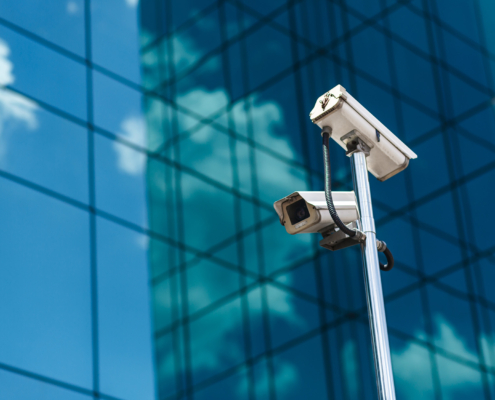
Side view of two surveillance cameras on a pole in the foreground, large skyscraper building in the background