Top 5 Benefits of Access Control Devices for Your Building

Between intercom systems, physical security guards, video surveillance, and more, managing access to your building can be quite the headache. Access control for commercial buildings offers a better way forward! These comprehensive access management systems enhance safety and streamline your operations. Learn how!
What Are Access Control Devices?

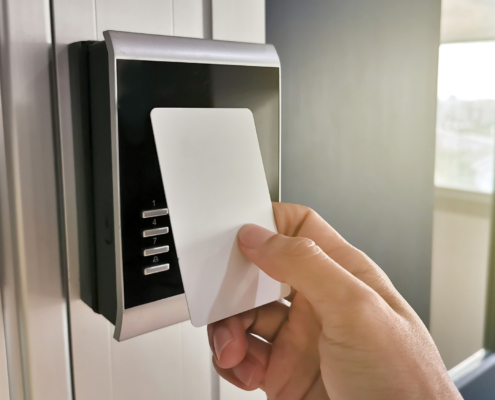
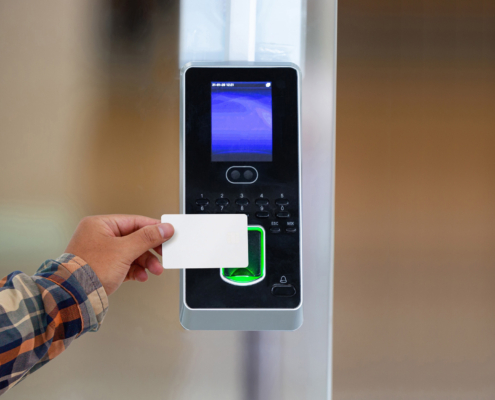
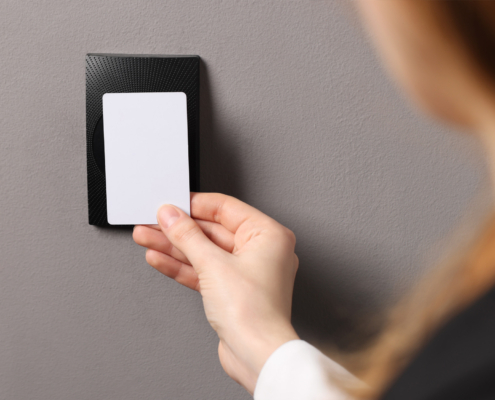
Access control solutions are designed to regulate entry to specific areas within a building. They typically consist of hardware components and software that manages access permissions. Commercial access control systems work by verifying the identity of individuals seeking entry through various authentication methods. This can include:

  • Card-based authentication: Using proximity cards, magnetic stripe cards, or smart cards.
  • Biometric authentication: Employing fingerprint, facial recognition, or iris scanning technologies.
  • PIN-based authentication: Requiring users to enter a personal identification number (PIN).
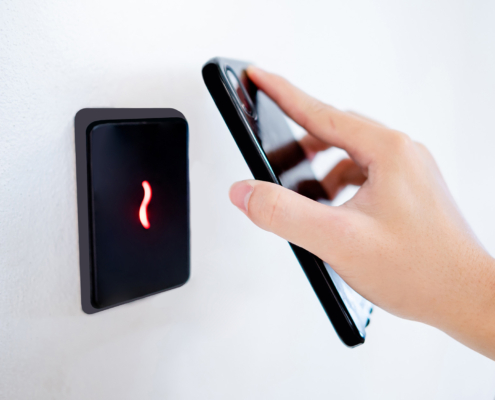
  • Mobile authentication: Utilizing smartphones or mobile applications.

Once a user’s identity is verified, the access control device grants or denies access based on predefined rules and permissions.

Why You Should Use a Commercial Access Control System

Security should be a top priority for commercial building owners and managers. In order to maintain a productive workplace, your people need to feel safe—and that includes protecting the whole property. Access control devices and their accompanying systems play a vital role in achieving this by providing a comprehensive and effective security solution. They offer numerous benefits for commercial buildings, including enhanced security, improved employee safety, reduced theft and vandalism, and streamlined access management.

In the following sections, we’ll dive into each of these in more detail.

Want to take a closer look at commercial access control systems? Check out our blog to learn more about this comprehensive security solution.

Benefit #1: Enhanced Security

Access control devices provide a robust layer of protection to commercial buildings. By verifying the identity of individuals seeking entry, these systems effectively deter intruders and prevent unauthorized personnel from gaining access to restricted areas.

  • Protection against unauthorized access: Commercial access control systems prevent unauthorized individuals from entering restricted areas. They also deter intruders and reduce the risk of security breaches.
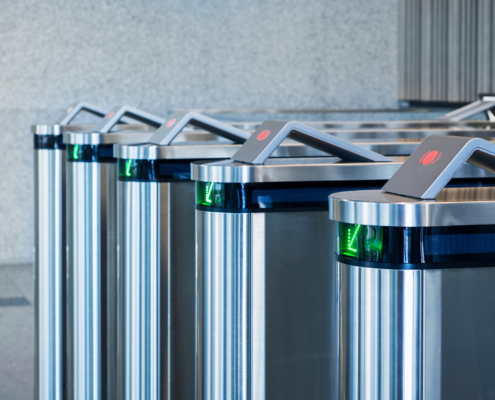
  • Prevention of tailgating and piggybacking: By enforcing single-person entry, this security solution helps prevent unauthorized individuals from following authorized users. This reduces the risk of unauthorized access and security breaches.
  • Control over entry points and exits: Access control devices restrict entry to specific areas based on user permissions. This ensures that only authorized individuals can access sensitive areas.
  • Real-time monitoring and alerts: Electronic access control allows you to track the movement of individuals within the building. These systems help you detect anomalies or suspicious activity and enable prompt response to potential security threats.

Benefit #2: Improved Employee Safety

Access control devices play a crucial role in enhancing employee safety within commercial buildings. This security solution can significantly reduce the risk of workplace accidents and incidents.

  • Emergency response capabilities: Access control solutions can be integrated with existing security systems—such as fire alarms and emergency notification systems—to facilitate rapid response to emergencies. By controlling access to critical areas, these systems can help ensure that employees can evacuate safely during emergencies.
  • Evacuation procedures: Commercial access control systems can be programmed to automatically unlock exit doors and restrict access to non-essential areas during emergency situations, streamlining evacuation procedures and minimizing confusion.
  • Restriction of access to hazardous areas: By limiting access to areas with potential hazards, such as chemical storage facilities or heavy machinery, commercial access control systems can help prevent accidental injuries and exposure to dangerous substances.
  • Reduced risk of workplace violence: Access control devices can deter potential perpetrators of violence by limiting access to restricted areas and providing a sense of security for employees. Additionally, these systems can be integrated with video surveillance and other security measures to monitor activity and detect potential threats.

Benefit #3: Reduced Theft and Vandalism

Commercial access control systems can play a significant role in deterring criminal activity and reducing the incidence of theft and vandalism within commercial buildings.

  • Deterrence of criminal activity: The presence of an access control device can act as a deterrent to potential criminals, discouraging them from targeting the building. By making it more difficult to gain unauthorized access, these systems can reduce the perceived vulnerability of the property.
  • Tracking of assets and personnel: These systems can help track the movement of both assets and personnel within the building. By monitoring entry and exit points, door access control systems help businesses identify any unauthorized removal of property or unusual activity that may indicate potential theft.
  • Evidence collection in case of incidents: In the event of a theft or vandalism, access control solutions can provide valuable evidence to law enforcement agencies. By recording access logs and tracking movement, these systems can help identify potential suspects and reconstruct the events leading up to the incident.
  • Improved loss prevention: By reducing the opportunities for theft and vandalism, commercial access control systems can help businesses minimize losses and protect their assets. This can have a positive impact on the bottom line and overall financial health of the organization.

Benefit #4: Streamlined Access Management

Access control devices offer a range of benefits for streamlining access management within commercial buildings.

  • Centralized control and management: Commercial access control systems provide a centralized platform for managing access permissions, user profiles, and system settings. This eliminates the need for manual processes and ensures consistent and efficient management of access controls throughout the building.
  • Remote access and administration: Cloud-based systems offer remote access and administration capabilities, allowing building managers to monitor and manage the system from any location with an internet connection. This flexibility can improve efficiency and reduce downtime.
  • Integration with other security systems: Access control systems can be seamlessly integrated with existing security systems, such as video surveillance cameras, intrusion detection systems, and fire alarms. This integration can provide a comprehensive and coordinated security solution.  
  • Automation of access processes: Commercial access control systems can automate many access processes, reducing the need for manual intervention and minimizing the potential for human error. This can improve efficiency and reduce administrative burdens.

Benefit #5: Retrofitting Older Systems

For commercial buildings with existing access control devices and systems, retrofitting can be a cost-effective way to upgrade security and improve functionality.

  • Assessment of existing infrastructure: A thorough assessment of the current access control system is essential to determine the feasibility of retrofitting. This assessment should evaluate the system’s hardware, software, and compatibility with modern security standards.
  • Cost-effective upgrade options: There are various upgrade options available for retrofitting older commercial access control systems. Building managers can work with security experts to identify the most cost-effective upgrade options that meet their specific needs.
  • Compatibility with new technologies: Modern access control systems offer advanced features and capabilities that may not be available in older systems. When retrofitting, it’s important to ensure that the upgraded system is compatible with new technologies and can be easily integrated with existing security systems.
  • Minimizing disruption to operations: Retrofitting an access control system can involve some disruption to building operations. By carefully planning the upgrade process and working with experienced professionals, building managers can minimize downtime and ensure that the system is operational as quickly as possible.

Streamline Security and Building Management With Conquest Solutions

Conquest Solutions offers a hassle-free experience for retrofitting your current access control system or installing a new one! Our team of experts will handle all aspects of the project, from assessing your existing security system to providing comprehensive support with credential management and system integration.

Experience the white-glove treatment with Conquest Solutions—contact us today to schedule a consultation and learn how our access control solutions can benefit your business.

More Like This

How Access Control Integration Improves Your Building Security & Performance
How Much Does a Commercial Access Control System Cost
The Value of Access Control Solutions During Emergencies
Access Control Automation’s Advantages for Your Business
How Door Access Control Solutions Help You Ensure Compliance
Entrance gate card Access Security system
Male hand using smartphone for sensor scanning
Building inspector man using digital tablet checking safety and security system
Male security operator working in a data system control room